

How Much Budget Should a New Brand Keep for Their First Textile Order?


Starting your first textile order is exciting, but it can also feel overwhelming.
You may already have your designs ready. You might have your logo, brand name, packaging ideas, and even social media pages set up. But when it comes to placing your first production order, one question suddenly becomes very serious:
How much money do you actually need to set aside?
Many new brands either underestimate their budget and struggle halfway through production, or they spend too much too quickly and put unnecessary pressure on themselves before sales even begin.
The safest approach is simple: understand where your money will go before you commit.
Let’s break this down properly and clearly.
First, Understand What You’re Really Paying For
When you speak to a textile manufacturer for the first time, you’ll usually hear the “price per piece”.
It sounds straightforward.
But production costs are never just about the price per garment.
Your total budget normally includes:
- Fabric cost
- Sampling cost
- Production cost
- Labels and branding
- Packaging
- Shipping and delivery
- Possible duties or customs charges
Fabric is usually the biggest part of your cost. The material you choose whether it’s premium cotton, blends, heavier fabric, or specialist textile will directly affect your final price.
If you’re unsure what to check when reviewing fabric quality, it’s worth reading our guide on how to evaluate textile quality, which explains what you should look for before approving bulk production:
Sampling is another cost many new brands forget to include. Before full production starts, a sample is created so you can check stitching, sizing, finishing, and overall look. Sometimes small adjustments are needed and that’s normal.
It’s far better to spend slightly more on sampling than to face problems in bulk production.
How Order Quantity Changes Your Budget
This is where many new brands get confused.
If you order very small quantities, the cost per piece is usually higher. That’s because factories still need to set up machines, patterns, cutting processes, and labour even for smaller runs.
If you order larger quantities, the cost per piece often drops. However, this means you need more money upfront. This balance between minimum order quantity (MOQ) and cost is extremely important.
If you want a clearer understanding of this relationship, our guide on MOQ vs Cost: How to Optimise Your Budget explains it in simple terms:
The goal isn’t always to order the cheapest option.
The goal is to order smartly.
So What Is a Realistic Starting Budget?
There isn’t one fixed number that works for every brand.
Your budget depends on:
- The type of product you’re launching
- Fabric quality
- Number of styles
- Quantity per style
- Level of branding and packaging
However, most new brands do better when they start focused rather than oversized.
Instead of launching ten different designs, many successful startups begin with two or three strong products. This keeps sampling manageable and prevents the budget from spreading too thin.
Trying to do too much in the first launch often creates stress and financial pressure.
If you’re concerned about entering a competitive market with limited funds, you may find this helpful: How small brands or traders can compete in the market.
It explains practical ways smaller brands can compete without overspending.
Common Budget Mistakes New Brands Make
Let’s be honest most first-time buyers make at least one of these mistakes:
They calculate only price per piece.
They ignore shipping costs.
They don’t allow room for sampling revisions.
They choose extremely low MOQs without understanding the impact on margins.
They try to launch too many designs at once.
Another common issue is choosing a supplier too quickly without proper evaluation.
Before committing to any production partner, it’s worth reading our guide on choosing a textile supplier for bulk orders: The right supplier doesn’t just give you a price they help you plan properly.
Planning Your Budget the Smarter Way
A better way to plan your first order is to start from your selling price.
Ask yourself:
How much will you sell this product for?
Then work backwards.
Your production cost must leave room for:
- Marketing
- Packaging
- Platform fees
- Shipping to customers
- Business growth
- Profit
It’s also wise to keep an extra financial buffer. Setting aside around fifteen to twenty-five percent extra helps you stay calm if small adjustments are needed. Launching your brand should feel exciting not financially stressful.
Should You Start Small or Slightly Bigger?
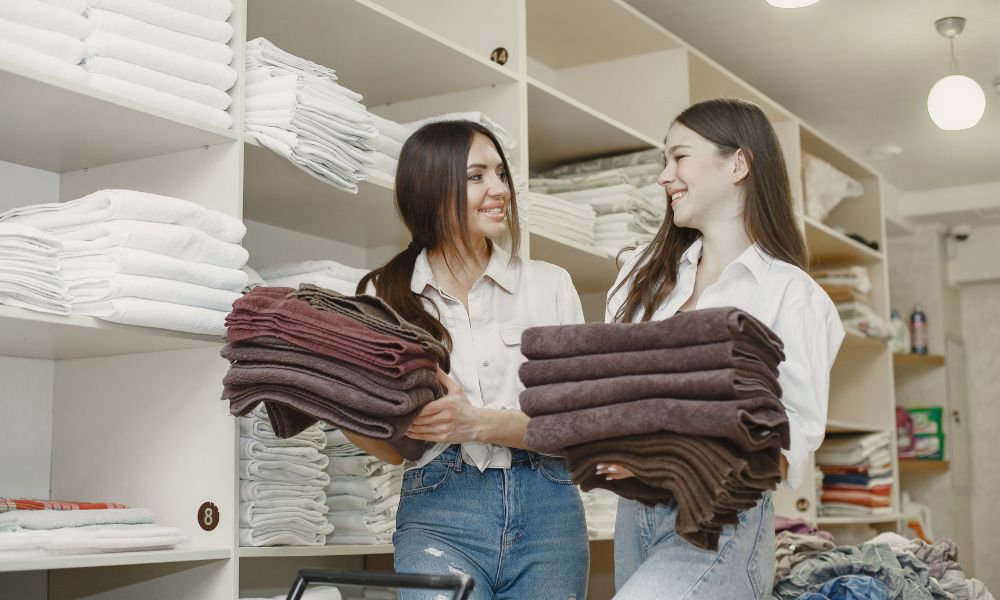
Starting small reduces risk. You test the market and understand customer response before scaling.
Starting slightly bigger improves cost per piece but requires stronger confidence in demand.
There is no perfect answer only what suits your situation.
Many new brands choose a balanced approach. Not too small. Not too large. Just enough to test demand while keeping margins reasonable.
Growth can always come in the second or third production run.
What You Should Discuss With Your Manufacturer Before Finalising Budget
Before confirming your first order, make sure you clearly discuss:
- Minimum order quantity
- Sampling process
- Lead times
- Payment terms
- Fabric alternatives
- Shipping method
Clear communication prevents misunderstandings and protects your budget.
If you’re new to supplier selection, reviewing our supplier selection guide mentioned earlier can give you more confidence before making a final decision.
Final Thoughts: Keep It Realistic, Keep It Controlled
Your first textile order does not need to be massive to be successful.
It simply needs to be:
Well planned.
Financially realistic.
Focused on quality.
Clear in communication.
A steady start often builds a stronger brand than rushing into large production without preparation. When you understand your full budget properly, you reduce stress and gain control over your business direction. And that confidence matters far more than launching big.
Ready to Plan Your First Textile Order With More Confidence?
Starting your first production run doesn’t need to feel risky or confusing.
If you’re still unsure about quantities, fabric options, or what budget makes sense for your idea, the best next step is simple review samples and speak openly about your goals.
Seeing fabric quality, stitching standards, and finishing in real life makes budgeting decisions much easier.
If you’re preparing for your first order and want clarity before committing, you’re welcome to:
- Request a sample
- Discuss realistic MOQ options
- Explore fabric alternatives within your budget
- Talk through your launch plan properly
Taking that first step carefully often saves money in the long run. Before committing your budget, review our quality standards and request a sample. Experience our communication, fabric quality, and production approach first then decide with confidence.
