

The Future of Hospitality Textiles: Biodegradable Fabrics & Circular Economy


Let’s talk about something most hotel managers know all too well textile waste. Every year, hotels around the world throw away mountains of sheets, towels, and linens. In fact, if you piled them all up, you’d fill about 60,000 Olympic-sized swimming pools. Hard to imagine, right?
Now here’s the problem: not only is that a disaster for the environment, but it’s also draining hotel budgets. Replacing linens again and again isn’t cheap.
But here’s the exciting news change is already happening. Thanks to biodegradable fabrics and circular economy models, hotels are starting to solve this problem in ways that are good for both the planet and their profits.
Why Sustainability in Textiles Matters Right Now
Think back to when hotels first started asking guests to reuse towels. At the time, it felt like a small eco-friendly step. But today, that little sign in the bathroom is just the tip of the iceberg.
- Guests are demanding more. Surveys show that about 3 out of 4 travelers now prefer eco-friendly hotels and many are even willing to pay extra for them.
- Governments are stepping in. France, for example, has already announced that by 2025, hotels won’t be allowed to use synthetic textiles anymore. Other countries are expected to follow suit soon.
- Reputation matters. Just like plastic straws became socially unacceptable, by 2030, using non-sustainable linens could damage a hotel’s image.
Put simply: going green isn’t optional anymore it’s the only way forward.
Let’s take a step toward a greener future together. By choosing eco-friendly hospitality linens like our biodegradable towels, organic cotton bed sheets, and sustainable duvet covers you’re not just buying products; you’re investing in a cleaner, more responsible tomorrow.
Explore our full range hospitality textiles, health care linens and make sustainability part of your brand story.
The Hidden Problem With Hotel Linens
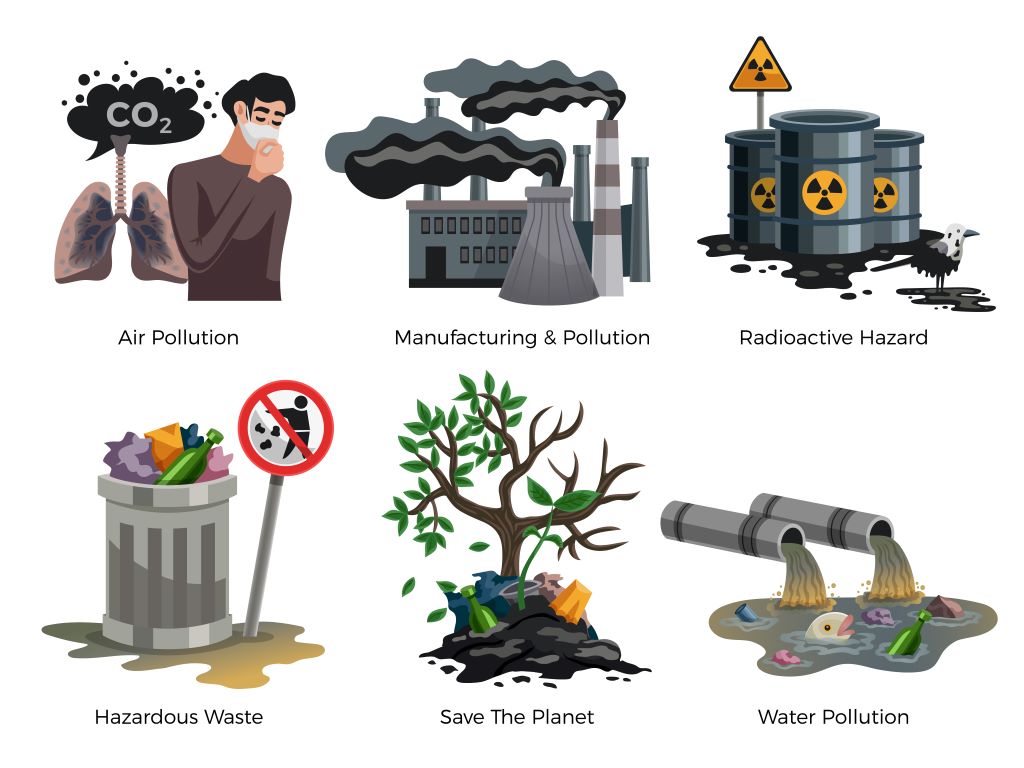
Here’s a fact many people don’t know: around 85% of hotel linens end up in landfills. That polyester sheet your hotel bought last year? It could take up to 200 years to break down and while it’s sitting there, it releases tiny microplastics that harm soil, oceans, and even food chains.
And it’s not just about what happens when linens are thrown away. Think about how often they’re washed. Laundry in the hotel industry is massive and it uses up water, energy, and detergents. Believe it or not, hotel laundry is responsible for about 5% of global CO₂ emissions. To put that in perspective, that’s actually more than the entire aviation industry!
Meet the New Generation of Eco-Friendly Fabrics
Now here’s the good part sustainable fabrics are finally catching up to what hotels need. Forget the old scratchy eco-materials of the past. The new stuff is just as soft, durable, and luxurious as regular fabrics sometimes even better.
- PLA Fabrics: Made from plants like corn or sugarcane, these fabrics create about 70% less carbon emissions than cotton. Marriott is already testing them in Europe.
- Mushroom Leather (Mycelium): Yes, you read that right fabric made from mushrooms! It looks like leather, feels strong, and is actually carbon negative, meaning it absorbs more carbon than it creates. IKEA is experimenting with it for hotel furniture.
- Algae Fibers: Resorts like Six Senses are testing towels and linens made from marine algae. These not only biodegrade but also naturally resist bacteria and odors, meaning towels stay fresher for longer.
These aren’t science experiments anymore they’re real products already being used in top hotels. Sustainability isn’t just a trend it’s the future of hospitality. Partner with Sana Fashion Fusion to make your hotel or restaurant truly sustainable.
The Circular Economy: A Smarter Way to Use Textiles
Think of the circular economy like this: instead of buying linens, using them, and then throwing them away, you keep them in a loop. Nothing goes to waste.
- In the Netherlands, the Circular Hotel Linen Project leases linens instead of selling them. When the sheets wear out, they’re collected, broken down, and turned into new linens. This process has cut water use by 90% compared to normal washing.
- Hyatt Hotels took another route. They partnered with a company called Circ that literally breaks polyester down to its raw form and spins it back into new fibers. In just one year, Hyatt’s program kept 12 tons of textiles out of landfills.
This kind of thinking doesn’t just save the environment it saves money, builds brand trust, and gives hotels bragging rights with eco-conscious guests.
The Cost Question: Is It Worth It?
Let’s address the elephant in the room: costs. Right now, biodegradable fabrics can cost 20–40% more than traditional options.
But here’s why it’s still worth it:
- New fabrics are more durable than they used to be, meaning they last longer.
- Many governments are offering grants and tax breaks for hotels that go green.
- Guests are proving they’re willing to pay a little more to stay at eco-friendly hotels. Some hotels even add a 1% “sustainability fee” to bookings, and guests happily support it.
- Most importantly, hotels using circular systems report a 19% increase in guest loyalty. Guests don’t just like it; they come back.
So yes, the upfront cost may be higher, but the return on investment makes it a smart long-term move.
How Hotels Can Start Small
Not every hotel can flip a switch and change everything overnight and that’s okay. Here’s a practical step-by-step approach:
- Audit your current textiles. Tools like the Higg Index can show you the impact of your sheets and towels.
- Run a pilot program. Start small try eco-friendly napkins in the restaurant or biodegradable towels in the spa.
- Look for partnerships. Many companies now lease linens, which reduces upfront costs.
- Show proof. Certifications like GOTS (Global Organic Textile Standard) or Cradle to Cradle show guests you’re serious about sustainability.
- Tell your story. Guests love hearing about eco-efforts. Add signs in rooms, updates on your website, or notes in menus.
What’s Coming Next in Sustainable Textiles
The pace of innovation is speeding up:
- Hilton is testing blockchain to track every step of a textile’s lifecycle.
- New enzymatic treatments can help fabrics decompose in less than six months.
- With France’s 2025 ban on synthetic hotel textiles, more countries are expected to follow, pushing hotels to adapt quickly.
As one industry analyst put it:
“By 2030, using non-sustainable textiles will be as unacceptable as giving out plastic straws.”
Conclusion
Switching to biodegradable fabrics and circular models isn’t just a “nice eco-friendly gesture.” It’s about protecting your business for the future.
- Early adopters are already saving money.
- Guests are happier and more loyal.
- Hotels gain a clear competitive advantage.
The real question isn’t if hotels should make this change it’s how fast. Because in just a few years, sustainable textiles won’t make you stand out they’ll simply be the standard.
If you found this guide helpful, we suggest reading:
